The industrial paradigm of the 20th century, characterized by a linear “take-make-dispose” model, is rapidly becoming an economic and ecological anachronism. This conventional approach, while having served the immediate needs of industrial scaling for decades, systematically externalized environmental and social costs, creating fragile, opaque networks vulnerable to disruption. Today, the global marketplace is undergoing a profound structural shift, driven by regulatory tightening, shifting consumer preferences, and the stark realities of climate change. At the heart of this transformation lies the urgent imperative to adopt Sustainable supply chain management (SSCM).
Sustainable supply chain management is not a peripheral philanthropic initiative or a temporary compliance requirement. It represents a fundamental strategic re-engineering of the end-to-end network—from raw material extraction through manufacturing, logistics, and distribution, all the way to the product’s eventual end-of-life disposition. It is the integration of environmentally sound and socially responsible practices into the core business processes of a supply chain, designed to create long-term value for all stakeholders. This holistic perspective moves beyond mere regulatory adherence, embracing a proactive stance that minimizes ecological footprint, optimizes resource utilization, and ensures ethical conduct across the entire value ecosystem.
The necessity for this transition is underscored by compelling evidence. Organizations across diverse industrial sectors—from automotive and aerospace to consumer goods and technology—are facing unprecedented pressures. Climate-related catastrophic events, resource scarcity, volatile energy prices, and the growing demand for supply chain transparency from both regulators and end consumers are creating a volatile operating environment. Companies that fail to adapt by embedding sustainability into their DNA are not only exposing themselves to significant reputational risk but are also jeopardizing their long-term viability and license to operate. Conversely, early adopters of SSCM are reaping substantial dividends, including enhanced brand equity, improved operational efficiency, reduced risk profiles, and superior financial performance driven by innovation and cost reduction.
The Imperative for Structural Change: Why Conventional Models Fail
Traditional supply chain models were optimized almost exclusively for cost efficiency and speed, often at the expense of resilience and sustainability. The relentless pursuit of low-cost manufacturing hubs, while superficially attractive, often led to elongated, carbon-intensive logistics networks and a lack of visibility into Tier 2 and Tier 3 suppliers, where the majority of environmental and social violations occur. These networks are inherently brittle, susceptible to disruption from geopolitical instability, pandemic-induced shocks, and increasingly, climate-related disasters that halt production and distribution.
Furthermore, the conventional model’s reliance on finite natural resources and its disregard for waste generation are fundamentally unsustainable in a world of finite planetary boundaries. The linear approach of extracting materials, processing them into products, and disposing of the resulting waste (the “cradle-to-grave” model) is rapidly proving economically imprudent as landfill costs rise and resource scarcity becomes a reality.
The shift to Sustainable supply chain management addresses these systemic weaknesses by fundamentally redesigning the network. It advocates for:
-
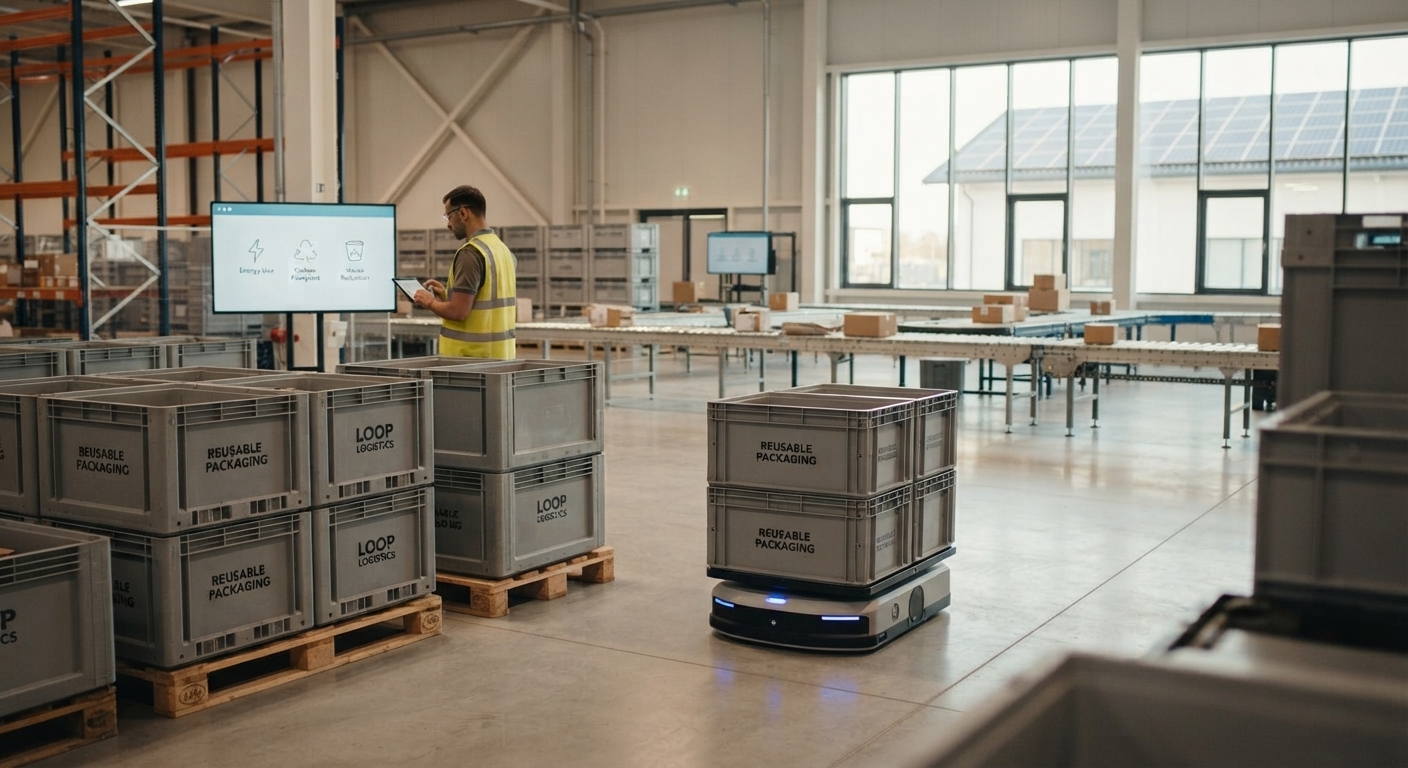
Circular Economy Principles: Moving from cradle-to-grave to “cradle-to-cradle,” where products are designed for durability, reuse, remanufacturing, and recycling, thereby decoupling economic growth from resource consumption.
-
Resilience over Efficiency: Prioritizing robustness and adaptability over mere cost-minimization. This involves diversification of supply bases, nearshoring or reshoring to reduce logistics dependencies, and enhanced digital visibility across the entire value chain.
-
Ethical Sourcing and Social Responsibility: Ensuring fair labor practices, human rights, and safe working conditions throughout the supplier network, from raw material suppliers to final assemblers.
-
Proactive Risk Management: Systematically identifying and mitigating environmental and social risks within the supply chain, rather than reacting to crises after they occur.
Strategic Frameworks for Implementing SSCM
Successfully transitioning to a sustainable supply chain requires a structured, multi-faceted approach. Organizations cannot implement SSCM piecemeal; it necessitates a comprehensive, end-to-end strategy that permeates every aspect of operations. Several key frameworks guide this implementation process.
1. Life Cycle Assessment (LCA) and Total Cost of Ownership (TCO)
The foundation of SSCM is data-driven decision-making. A Life Cycle Assessment (LCA) is an analytical methodology used to evaluate the environmental impacts associated with all stages of a product’s life—from “cradle to grave” (raw material acquisition, processing, manufacturing, distribution, use, repair, and maintenance, and disposal/recycling). LCA provides a quantitative basis for identifying the “hotspots” of environmental impact within the value chain, allowing organizations to prioritize their efforts where they will have the greatest effect.
Integrating LCA with Total Cost of Ownership (TCO) analysis is crucial. TCO considers not only the initial procurement cost but all costs associated with the acquisition, use, and disposition of an asset or material over its entire life cycle. By incorporating the costs of externalities—such as carbon emissions, waste disposal, and potential regulatory fines—into the TCO calculation, organizations can make more informed, sustainable purchasing decisions that are economically viable in the long run.
2. Supplier Relationship Management and Ethical Sourcing
Sustainable supply chain management is impossible without the active collaboration and commitment of the supplier base. Supplier Relationship Management (SRM) must evolve to incorporate sustainability criteria into supplier selection, evaluation, and development processes.
This involves:
-
Supplier Code of Conduct: Establishing clear, non-negotiable standards for environmental and social performance that all suppliers must adhere to, covering areas such as labor rights, anti-corruption, environmental emissions, and waste management.
-
Sustainability Audits and Assessments: Conducting regular, rigorous audits of Tier 1 and critical Tier 2 suppliers to verify compliance with the code of conduct. This should go beyond self-assessment questionnaires and include independent, third-party inspections.
-
Capacity Building and Collaboration: Rather than simply terminating non-compliant suppliers, progressive organizations invest in supplier development, providing training, resources, and shared knowledge to help suppliers improve their own sustainability performance. This collaborative approach fosters long-term partnerships and enhances the resilience and sustainability of the entire upstream network.
-
Responsible Mineral Sourcing: Implementing robust due diligence processes to ensure that minerals (like cobalt, tantalum, tungsten, and gold) are not sourced from conflict-affected or high-risk areas, financing armed conflict, or involving severe human rights abuses.
3. Green Logistics and Sustainable Transportation
Transportation is a major contributor to the environmental footprint of any supply chain, accounting for a significant portion of greenhouse gas (GHG) emissions and energy consumption. Greening the logistics network is a critical component of SSCM.
Strategies for sustainable transportation and logistics include:
-
Network Optimization: Redesigning distribution networks to reduce distances traveled, minimize empty backhauls, and consolidate shipments. This involves advanced route planning and the use of sophisticated modeling tools.
-
Modal Shift: Shifting freight from high-emission modes like road and air to more energy-efficient modes such as rail and sea where feasible. While rail and sea may be slower, they offer significantly lower emissions per ton-kilometer.
-
Adoption of Alternative Fuels and Technologies: Investing in cleaner transportation technologies, including electric vehicles (EVs), hydrogen fuel cell trucks, and hybrid locomotives. For long-haul trucking, the use of liquefied natural gas (LNG) or renewable diesel can offer transitional benefits.
-
Packaging Optimization: Implementing sustainable packaging principles—reducing packaging material, using recycled and recyclable materials, and designing for efficient cube utilization in transport to maximize load density and reduce the number of required shipments.
4. Circular Economy and Closed-Loop Systems
As previously mentioned, transitioning to a circular economy is central to SSCM. This involves a fundamental shift in how products are designed and managed at their end of life.
-
Design for Sustainability: Creating products that are modular, durable, easy to disassemble, and made from non-toxic, easily recyclable or biodegradable materials. This design phase is critical, as an estimated 80% of a product’s environmental impact is determined during its design.
-
Reverse Logistics: Establishing efficient reverse logistics channels to collect, sort, and process end-of-life products, returning them to the production cycle. This involves managing the flow of materials from the consumer back to the manufacturer for remanufacturing, refurbishing, or recycling.
-
Servitization and Product-as-a-Service: Shifting from selling products to selling the function or service the product provides (e.g., selling “light hours” instead of light bulbs). This incentivizes manufacturers to design for longevity and reparability, as they retain ownership of the product and are responsible for its maintenance and end-of-life recovery.
The Crucial Enablers: Technology and Data Transparency
Implementing Sustainable supply chain management is data-intensive and complex. Fortunately, the rapid advancement of digital technologies is providing organizations with the tools necessary to manage this complexity effectively.
1. Digital Twin and Advanced Analytics
Creating a digital twin of the entire supply chain allows for sophisticated modeling and simulation. Organizations can build virtual replicas of their physical networks and test different scenarios to optimize for both cost and sustainability metrics. For example, a company could simulate the carbon footprint impacts of shifting production between different facilities, changing transportation modes, or altering sourcing locations.
Advanced analytics and artificial intelligence (AI) play a pivotal role by analyzing vast datasets to identify optimization opportunities, predict potential disruptions, and uncover hidden sustainability risks. AI can enhance demand forecasting accuracy, thereby reducing excess inventory and waste, and can optimize energy consumption within manufacturing processes.
2. Blockchain for Supply Chain Traceability
Achieving true supply chain transparency—particularly beyond the Tier 1 supplier—has historically been a significant challenge. Blockchain technology offers a decentralized, immutable ledger that can securely record and track every transaction and movement of goods across the entire value chain.
This unprecedented level of traceability enables organizations to verify the provenance of raw materials, ensuring they are sourced ethically and sustainably (e.g., verifying that coffee beans are truly fair trade or that conflict minerals are not entering the supply chain). Furthermore, blockchain can facilitate the tracking of product life cycles, supporting circular economy initiatives by providing a transparent record of material composition and ownership.
3. Internet of Things (IoT) and Real-Time Monitoring
The Internet of Things (IoT) connects physical assets—from machinery on the factory floor to trucks in transit and products in the field—to the digital ecosystem. IoT sensors provide real-time data on environmental conditions (temperature, humidity, vibration), energy usage, and equipment performance.
This real-time visibility allows for:
-
Condition-Based Maintenance: Predicting equipment failures before they occur, reducing downtime and preventing resource-intensive emergency repairs.
-
Cold Chain Integrity Monitoring: Ensuring that perishable goods are transported within specified temperature ranges, preventing spoilage and waste.
-
Asset Tracking: Precisely locating assets to optimize utilization and reduce the need for excess inventory.
Measuring Progress: Metrics, Key Performance Indicators, and Reporting
To manage effectively, organizations must measure. Developing a robust set of metrics and Key Performance Indicators (KPIs) is essential for tracking progress against sustainability goals and ensuring accountability.
1. Environmental Metrics
The most common environmental metrics focus on resource consumption, pollution, and emissions.
-
Greenhouse Gas (GHG) Emissions: Measuring Scope 1 (direct emissions from owned/controlled sources), Scope 2 (indirect emissions from the generation of purchased energy), and crucially, Scope 3 emissions (all other indirect emissions that occur in a company’s value chain, which often constitute the largest portion of an organization’s carbon footprint).
-
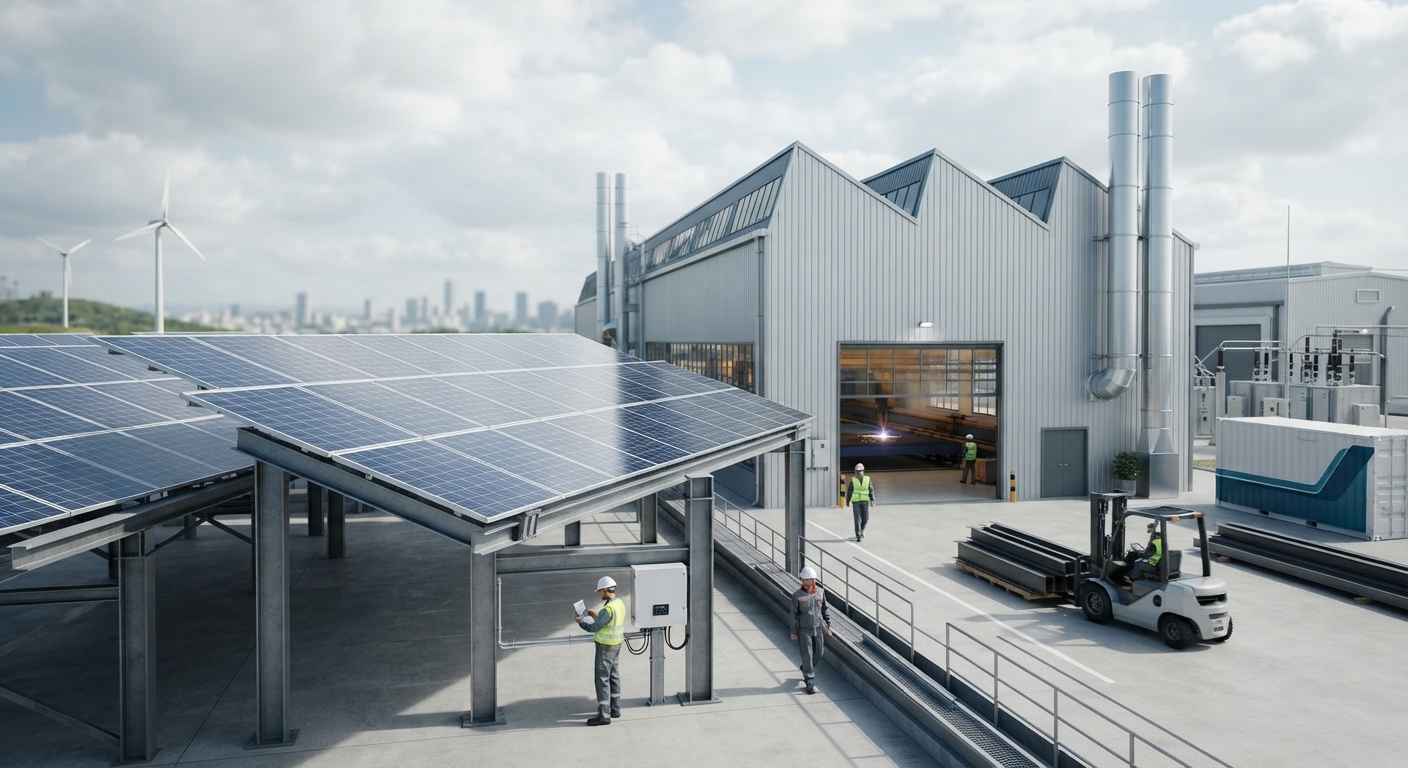
Energy Consumption: Tracking total energy use and the percentage derived from renewable sources.
-
Water Usage: Monitoring total water withdrawal, consumption, and wastewater discharge, especially in water-stressed regions.
-
Waste Generation and Diversion: Quantifying total waste produced and the proportion diverted from landfill through reuse, recycling, or composting.
-
Material Circularity: Measuring the percentage of recycled or renewable materials used in production and the percentage of products that are recoverable at end-of-life.
2. Social Metrics
Social metrics assess the impact of the supply chain on people—workers, communities, and consumers.
-
Labor Standards Compliance: Monitoring suppliers’ adherence to labor laws and international standards regarding wages, working hours, child labor, forced labor, and freedom of association.
-
Health and Safety Performance: Tracking injury rates, lost time due to accidents, and fatalities across the supply chain.
-
Supplier Diversity: Measuring the percentage of procurement spend allocated to businesses owned by underrepresented groups.
-
Human Rights Due Diligence: Evaluating the effectiveness of processes to identify, prevent, mitigate, and account for human rights risks within the supply chain.
3. Economic Metrics (The Business Case for SSCM)
SSCM must deliver economic value to be sustainable in the long term.
-
Cost Savings from Efficiency: Quantifying the financial benefits derived from reduced energy, water, and material consumption, as well as waste disposal costs.
-
Risk Mitigation Value: Estimating the financial impact of avoiding supply chain disruptions, regulatory fines, and reputational damage through proactive sustainability management.
-
Revenue from Sustainable Products: Measuring the sales and market share growth attributable to products with enhanced sustainability attributes.
-
Brand Value and Reputation: Utilizing surveys and brand valuation models to assess the positive impact of SSCM initiatives on brand perception.
4. Integrated Reporting and Transparency
The culmination of measurement is transparent reporting. Stakeholders, including investors, customers, employees, and regulators, increasingly demand clear, comparable, and credible information on ESG (Environmental, Social, and Governance) performance.
Adopting established reporting frameworks is crucial for credibility. These include:
-
Global Reporting Initiative (GRI): The most widely used standards for sustainability reporting, providing a comprehensive framework for disclosing impacts on the economy, environment, and society.
-
Sustainability Accounting Standards Board (SASB): Focusing on the subset of sustainability issues most relevant to financial performance in specific industries.
-
Task Force on Climate-related Financial Disclosures (TCFD): A framework for disclosing climate-related risks and opportunities to inform investors, lenders, and insurance underwriters.
Overcoming Implementation Challenges: A Phased Roadmap
Despite the compelling benefits, implementing Sustainable supply chain management is fraught with challenges. Organizations must anticipate and proactively address these hurdles to ensure a successful transition.
1. The Complexity Barrier
The sheer complexity of global supply chains is perhaps the most significant obstacle. Achieving visibility beyond Tier 1 suppliers requires a concerted effort and investment in digital technologies. Organizations should begin by mapping their entire supply chain, identifying critical nodes and high-risk suppliers, and gradually extending visibility deeper into the network.
2. The Cost Misconception
A pervasive misconception is that sustainability initiatives inevitably increase costs. While upfront investments in green technologies or supplier development may be required, SSCM frequently yields significant long-term savings through enhanced efficiency, reduced waste, and lower risk. TCO analysis is critical here, as it reframes sustainability investments not as added expenses but as cost-avoidance and value-creation strategies.
3. Internal Resistance and Cultural Inertia
Overcoming cultural resistance is vital. Sustainability requires a shift in mindset from short-term profit maximization to long-term value creation. Securing executive buy-in is essential, as is fostering a culture of sustainability throughout the organization through training, performance incentives, and clear communication.
4. Lack of Standardized Metrics and Data
The landscape of sustainability metrics and reporting standards is fragmented and evolving. Organizations must navigate multiple frameworks and often rely on inconsistent or incomplete data from suppliers. Engaging collaboratively with suppliers to improve data quality and adopting recognized reporting standards can help mitigate this challenge.
5. A Phased Implementation Strategy
Given the scale of the challenge, a “big bang” approach to SSCM implementation is destined for failure. A phased, iterative roadmap is far more effective.
-
Phase 1: Assessment and Strategy Development: Conduct a comprehensive materiality assessment to identify the most significant sustainability issues for the organization. Establish clear goals, KPIs, and a governance structure. Map the supply chain and engage with critical Tier 1 suppliers.
-
Phase 2: Pilot Projects and Capacity Building: Launch pilot projects in specific product lines or regions to test and refine SSCM strategies (e.g., implementing a closed-loop system for a single product or launching a green logistics initiative for a specific distribution route). Invest in supplier training and development programs.
-
Phase 3: Scaling and Integration: Systematically roll out successful pilot projects across the entire enterprise. Integrate sustainability criteria into core business processes, including product design, procurement, and logistics. Enhance data transparency through the adoption of digital technologies like blockchain and IoT.
-
Phase 4: Continuous Improvement and Innovation: Establish a culture of continuous improvement, regularly reviewing and updating sustainability goals and KPIs. Embrace innovation to explore new business models (e.g., servitization) and technologies that further enhance supply chain sustainability.
The Future of Sustainable Supply Chain Management: From Compliance to Competitive Advantage
Sustainable supply chain management is no longer an optional extra for the conscientious corporation; it is an essential discipline for the modern industrial enterprise. The transition from a linear, resource-intensive model to a circular, resilient, and ethical network is the defining challenge of this industrial era.
Organizations that embrace this transformation with strategic foresight will not only mitigate critical risks but will also unlock substantial opportunities for innovation, growth, and enhanced competitive advantage. By leveraging advanced technologies, fostering deep collaboration with suppliers, and embedding sustainability into every facet of their operations, companies can build supply chains that are not only fit for the future but that actively contribute to a more sustainable and prosperous world. The path to SSCM is complex and demanding, but for those organizations committed to long-term viability and positive impact, it is the only viable journey.